What Is the Pelvic Floor?
The pelvic floor refers to a group of muscles, ligaments, and connective tissues that form a supportive base across the bottom of the pelvis. In men, this structure is positioned beneath the bladder and bowel, providing structural support and contributing to a range of everyday physical functions. Despite its significance, the pelvic floor remains one of the less commonly discussed regions of male anatomy in general informational contexts.
The term "floor" is apt in a literal sense: these tissues create a hammock-like base for the organs of the lower pelvis. When functioning within a normal range, they operate largely without conscious awareness — a fact that contributes to the general lack of familiarity with the subject among non-specialist readers.
Anatomical Structure: The Principal Components
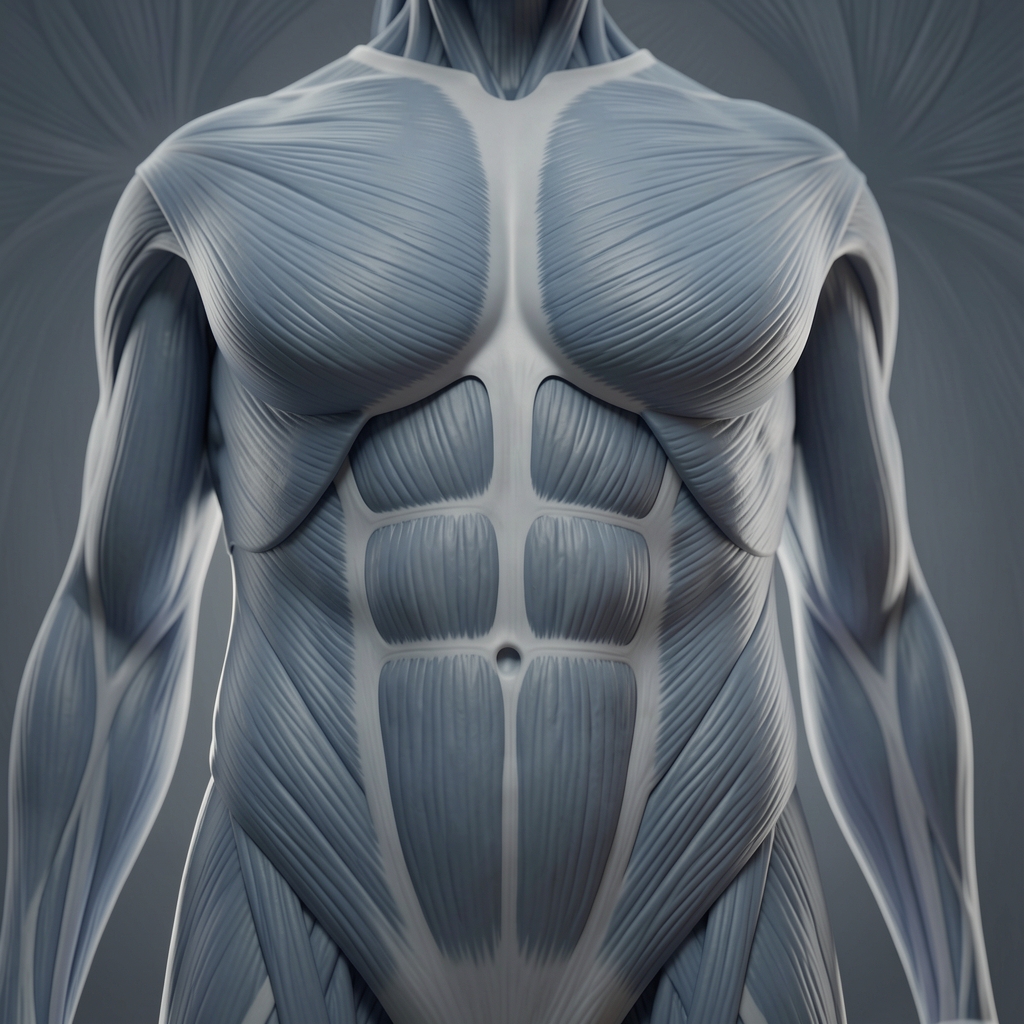
The pelvic floor in men consists of several layers of muscle arranged in sheets and groups. The deepest layer — often referred to in anatomical literature as the pelvic diaphragm — includes the levator ani muscle group, which is itself composed of three distinct portions:
- Pubococcygeus: Running from the pubic bone towards the coccyx, this is frequently cited as a primary focus in descriptions of pelvic floor conditioning.
- Iliococcygeus: A broader, thinner sheet of muscle that forms the lateral portion of the levator ani, providing structural span across the pelvic outlet.
- Puborectalis: A U-shaped sling of muscle that loops around the rectum, contributing to continence function and the anorectal angle.
A shallower layer, the urogenital diaphragm or perineal membrane, lies beneath the pelvic diaphragm and includes additional muscles such as the bulbospongiosus and ischiocavernosus, which are anatomically associated with the perineal region.
Together, these layers form an integrated structural unit. Their coordination — contraction, relaxation, and the ability to maintain sustained tone — is considered central to their range of functional roles.
The Role of Connective Tissue
Alongside the muscular components, the pelvic floor includes ligaments and fascia — sheets of connective tissue that both anchor the structure to the bony pelvis and transmit force between elements. Fascia in this region is continuous with structures extending into the abdominal cavity, which is one reason why the pelvic floor is increasingly understood in terms of its relationships with neighbouring systems rather than in isolation.
The puboprostatic and pubovesical ligaments in men connect the bladder neck and the anterior surface of the prostate (a gland positioned in close proximity to the pelvic floor) to the pubic bone. These ligamentous connections illustrate the integrative nature of pelvic anatomy.

Functional Context: What the Pelvic Floor Does
Anatomical literature typically attributes several functional roles to the pelvic floor:
- Postural support: The pelvic floor muscles are active during standing, sitting, and movement, contributing to the dynamic stability of the trunk in coordination with the deep abdominal muscles, the diaphragm, and the muscles of the lumbar spine.
- Sphincteric function: The muscles of the pelvic floor contribute to continence — the voluntary control over bladder and bowel emptying. This is achieved through their role in maintaining and modulating pressure at the sphincters.
- Support of pelvic organs: The structural layer created by the pelvic floor muscles and connective tissues provides support for the bladder and bowel, counteracting downward forces exerted during physical activity and changes in intra-abdominal pressure.
- Coordination with breathing: The pelvic floor is described in movement science literature as working in coordination with the diaphragm during the respiratory cycle, contributing to the regulation of intra-abdominal pressure.
Terminology: A Note on Variation
The terminology used to describe pelvic floor anatomy varies between sources. Older anatomical texts may use different names for the same structures, and contemporary fitness and wellness literature sometimes uses simplified or colloquial terms that do not map precisely onto formal anatomical vocabulary. This variation can be a source of confusion for general readers.
For example, the term "Kegel muscles" — a popular reference derived from the name of the physician Arnold Kegel, who developed a conditioning approach in the mid-twentieth century — is widely used but has no formal anatomical status. It typically refers to the levator ani group and, sometimes, the broader pelvic floor musculature. The term is useful for general communication but should not be taken as a precise anatomical descriptor.
Similarly, the term "pelvic core" has gained currency in movement and fitness contexts, referring to the integrated system of the pelvic floor, deep abdominals, lumbar multifidus, and diaphragm. This framing emphasises the relational nature of the structures rather than treating any single muscle group in isolation.
Historical Note on Understanding
Formal anatomical study of the pelvic floor dates back several centuries, but detailed understanding of its function — particularly in men — developed more slowly. Early anatomical descriptions focused primarily on structure, with functional significance emerging more clearly through the twentieth century as research in continence, movement science, and rehabilitation gathered pace.
The specific application of pelvic floor awareness to men outside of surgical or rehabilitative contexts has become more prominent in academic and popular wellness literature in recent decades. This trajectory is explored in more detail in the Historical Perspectives article on this site.
Factors That Influence the Pelvic Floor
A range of factors are described in literature as potentially influencing pelvic floor condition and tone over time. These include general physical activity levels, postural habits, body weight, age-related changes in muscle tissue, the cumulative effects of prolonged sitting, and various aspects of breathing mechanics. These factors are described in greater depth in the Understanding Influencing Factors article.
It is worth noting that pelvic floor tone exists on a spectrum: both insufficient tone and excessive tension are described in anatomical and wellness literature as states of interest. The relationship between these states and everyday function is nuanced and varies considerably between individuals.
Approaching the Subject as a Reader
For readers encountering this topic for the first time, the volume of terminology and the intersection of different disciplinary frameworks can initially seem complex. A useful starting point is to understand the pelvic floor as a structural and functional region — one that is part of an integrated system — rather than as an isolated muscle group with a single purpose.
The articles in this collection approach the subject from different angles, each designed to add a layer of context. The Exploring Pelvic Exercise Approaches article examines the history and variety of conditioning frameworks; the Addressing Common Understandings article clarifies frequently misread aspects of the subject; and the Daily Routines article places the pelvic floor in the broader context of everyday life.